

Biomechanics
Biomechanics is the study of how the human body moves and responds to forces. By applying a combination of physics and engineering, this branch of biomedical engineering helps us understand motion, improve athletic performance, prevent injuries, and design prosthetics.
Image Source: World Council of Biomechanics

Bioimaging
Bioimaging is a area of biomedical engineering that develops techniques to visualize the body and its functions. It includes technologies like MRI, CT scans, and ultrasound, helping diagonse, monitor, and study diseases.
Image Source: BioImage Archive accession SBSST584

Biomaterials
Biomaterials is a specialized field within biomedical engineering that focuses on studying, designing, and testing materials that can safely interact with the human body. Scientists in this branch help create implants, prosthetics, and tissue scaffolds to improve health and healing.
Image Source: Biolin Scientific

Bioinstrumation
Bioinstrumation is the process of designing and developing devices to measure, monitor, and analyze biological systems. This includes tools such as sensors, monitors, and diagonistic instruments that improve patient care and medical research.
Image Source: Freepik
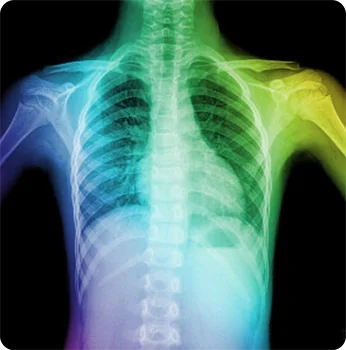
Medical Imaging
Medical imaging is a specialized area within biomedical engineering that focuses particularly on developing and refining technologies that help doctors visualize the inside of the body for diagonsis and treatment. With its specific tools, it helps to enable accurate detection of diseases and works to guide medical decisions.
Image Source: Marque Urgent Care
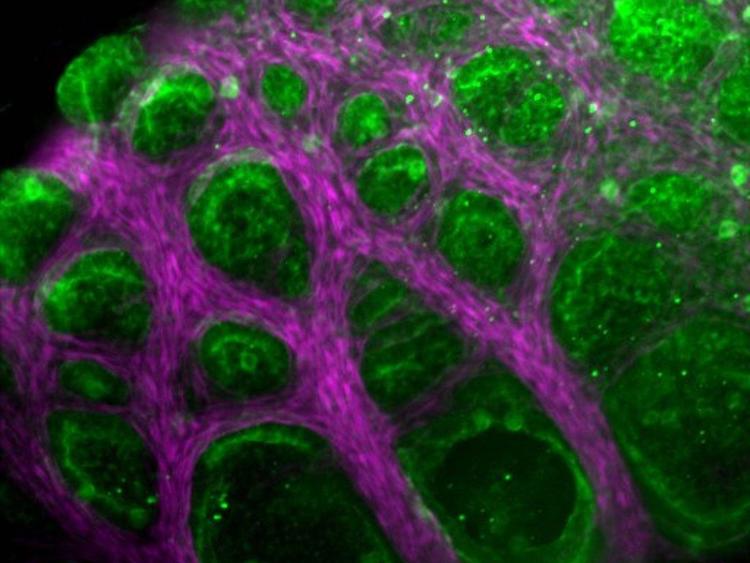
Tissue Engineering
Tissue engineering is a branch of biomedical engineering that crafts biological substitutes to repair or replace damaged tissues and organs. It combines cells, biomaterials, and engineering techniques to develop functional tissues that support healing and restore body function.
Image Source: Celeste Nelson & Micheal Palmer
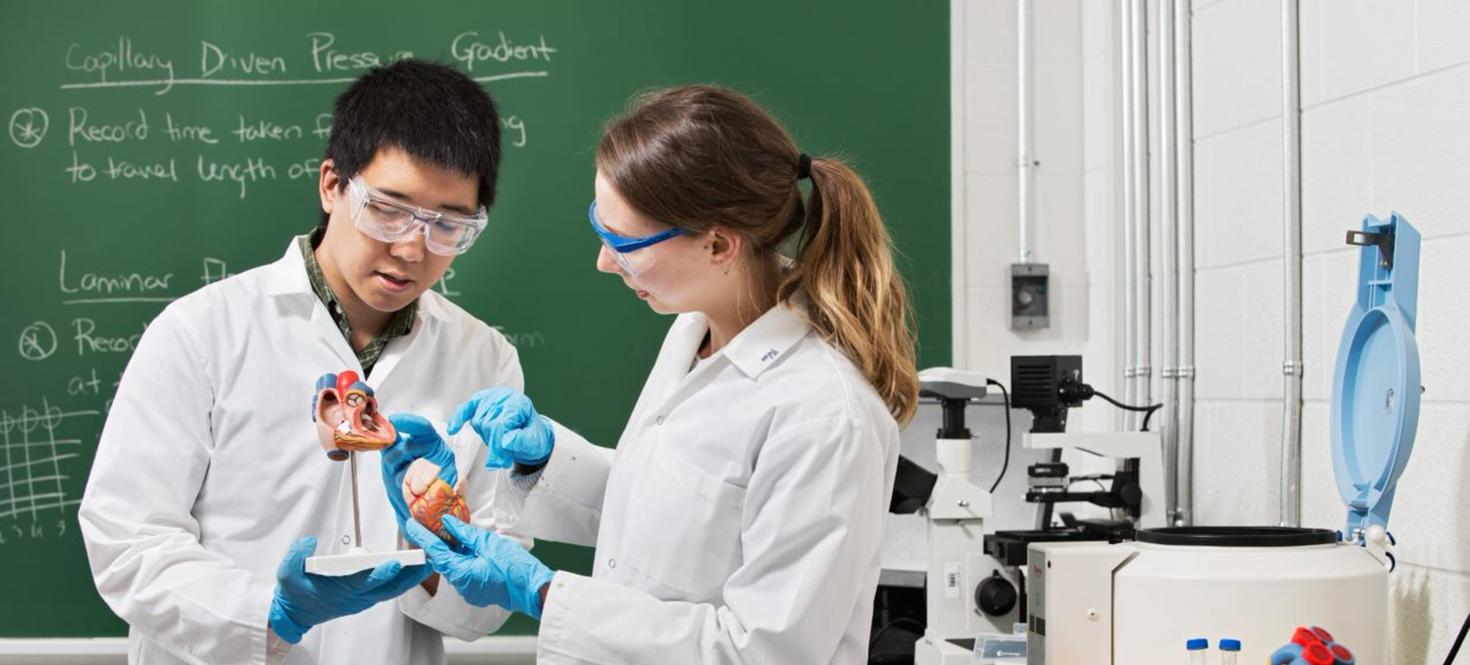
Clinical Engineering
Clinical engineering applies technology directly in healthcare settings through managing, maintaining, and improving medical equipment and systems to ensure patient safety. This area of expertise also strives to support effective treatment for all patients.
Image Source: University of Ottawa

Bioinformatics
Bioinformatics is the intergration of computers and data analysis in biology. It helps researchers to interpret genetic, molecular, and clinical data to advance medicine, drug development, and personalized healthcare.
Image Source: The Wistar Institute

Pharmaceutical Engineering
Pharmaceutical Engineering is a branch of biomedical engineering which specializes in designing and improving processes to develop & manufacture safe and effective drugs. It combines chemistry, biology, and engineering principles to ensure high-quality and efficiently produced medicines.